





Which is right for you?

Biceps Tendonitis

Expert Diagnosis & Treatment for Biceps Tendon Pain in Greenville, SC

What Is Biceps Tendonitis?

with Dr. Drew Ratner

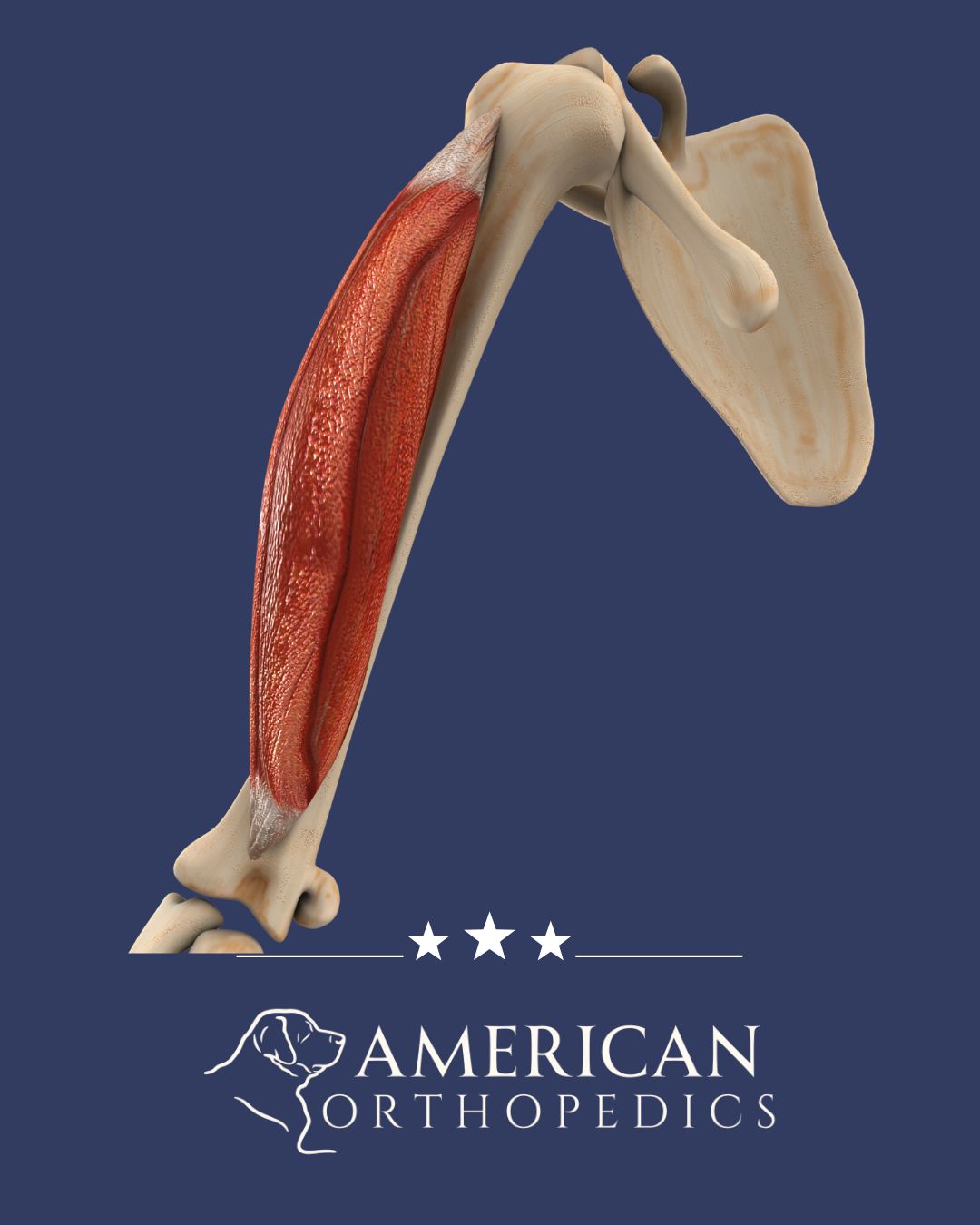
Biceps tendonitis is inflammation of the long head of the biceps tendon, which runs through the front of the shoulder. Overuse, repetitive activity, injury, or age-related wear can cause pain, weakness, and discomfort with lifting or overhead movement.

At American Orthopedics, board-certified orthopedic surgeon Dr. Drew Ratner evaluates the entire shoulder to identify the source of the problem. Treatment usually begins with non-surgical care, with advanced arthroscopic options available when symptoms persist or significant tendon damage is present.

“Biceps tendon pain is often a sign that something in the shoulder isn't functioning the way it should. My goal is to identify the source of the problem, treat it appropriately, and help patients get back to comfortable movement.”

- Dr. Drew Ratner, MD, Board-Certified Orthopedic Surgeon

Why Patients Choose Dr. Ratner

The region’s most preferred orthopedic surgeon

Biceps tendonitis can range from a relatively straightforward overuse injury to part of a more complex shoulder condition. Dr. Ratner’s specialized training in sports medicine and arthroscopic shoulder surgery allows him to evaluate the entire joint and develop a treatment plan based on the actual source of your symptoms.

Whether you’re an athlete, an active adult, or simply experiencing shoulder pain that is interfering with everyday life, you’ll receive personalized treatment designed around your goals.

1. Fellowship-Trained Sports Medicine Expertise

Dr. Ratner completed advanced sports medicine fellowship training at the Steadman Hawkins Clinic in Denver and has extensive experience diagnosing and treating shoulder injuries.

2. Non-Surgical Treatment First

Whenever appropriate, Dr. Ratner focuses on conservative treatment to relieve symptoms and restore shoulder function before considering surgery.

3. Continuity of Care

At American Orthopedics, Dr. Ratner personally guides your care from diagnosis through treatment and recovery—without unnecessary handoffs or rushed visits.

How Biceps Tendonitis Treatment Works

Treatment depends on the severity of the tendon irritation, your activity level, and whether other shoulder structures are involved.

Non-Surgical Treatment

Most cases are treated without surgery. The goal is to reduce irritation, restore movement, and improve shoulder strength.

Treatment may include:

  • Activity modification
  • Ice and anti-inflammatory measures
  • Physical therapy
  • Mobility and strengthening exercises
  • Gradual return to activity

Dr. Ratner will monitor your progress and adjust treatment as symptoms improve.

When Surgery May Be Needed

Surgery may be considered when symptoms persist, significant tendon damage is present, or another shoulder injury also requires treatment.

When appropriate, Dr. Ratner may recommend biceps tenodesis or biceps tenotomy. Tenodesis secures the tendon to the upper arm bone, while tenotomy releases the damaged tendon.

The best option depends on your injury, age, activity level, and goals.

If pain at the front of your shoulder is interfering with lifting, exercise, work, or everyday activity, schedule an evaluation with Dr. Ratner to identify the cause and determine the best treatment.

Who Is a Candidate?

You should consider an orthopedic evaluation for biceps tendonitis if you experience:

  • Persistent pain at the front of the shoulder
  • Tenderness over the biceps tendon
  • Pain when lifting or reaching overhead
  • Discomfort with throwing, pulling, or carrying objects
  • Shoulder weakness
  • Pain extending into the upper arm
  • Clicking or catching in the shoulder
  • Symptoms that have not improved with rest or activity modification


Dr. Ratner will determine whether your symptoms are coming from the biceps tendon itself or another structure within the shoulder.

Benefits of Biceps Tendonitis Treatment

Appropriate treatment can relieve pain while addressing the reason the biceps tendon became irritated in the first place.

  • Pain Relief: Reduce persistent discomfort at the front of the shoulder.
  • Improved Motion: Restore comfortable reaching, lifting, and overhead movement.
  • Better Strength: Rebuild shoulder and arm strength as inflammation improves.
  • Return to Activity: Safely progress back to exercise, sports, work, and everyday activities.
  • Treat Associated Problems: Identify rotator cuff, impingement, or other shoulder conditions contributing to symptoms.
  • Avoid Unnecessary Surgery: Many cases can improve with a focused non-operative treatment plan.

What to Expect

Experience advance care at American Orthopedics.

1. Your consultation

Dr. Ratner will discuss your symptoms, activity level, previous injuries, and any treatments you have already tried.

He will perform a detailed shoulder examination to evaluate strength, range of motion, tenderness, and shoulder mechanics. Because biceps tendonitis can occur alongside rotator cuff and other shoulder conditions, the entire shoulder will be evaluated.

X-rays may be obtained, and MRI or other imaging may be recommended when a tendon tear or additional structural injury is suspected.

2. The Procedure

Most patients begin with non-surgical care designed to calm the irritated tendon and restore normal shoulder function.

Your treatment plan may include activity modification, physical therapy, targeted strengthening, mobility exercises, and other treatments based on your diagnosis.

If significant tendon damage is identified or symptoms continue despite appropriate conservative treatment, Dr. Ratner will discuss whether surgical treatment such as biceps tenodesis or tenotomy is appropriate.

3. After Surgery

Recovery varies depending on the severity of your condition and the treatment required.

With non-surgical treatment, activity is gradually increased as pain improves and shoulder strength and mobility return.

Athletes and patients with physically demanding jobs may follow a structured progression before returning to unrestricted overhead activity, throwing, or heavy lifting.

If surgery is required, Dr. Ratner will provide a procedure-specific rehabilitation plan and guide your return to activity as the tendon heals.

Advanced care for maxium results & comfort

Biceps Surgery REcovery Tips

Follow Your Therapy Plan

Consistent stretching and strengthening can improve shoulder mechanics and decrease stress on the biceps tendon.

Modify Aggravating Activities

Temporarily reduce repetitive lifting, throwing, or overhead movements that continue to irritate the tendon.

Don't Rush Heavy Lifting

Feeling better does not always mean the tendon has fully recovered. Gradually increase resistance and activity as directed.

Use Proper Technique

Good lifting, exercise, and sports mechanics can reduce unnecessary stress on the shoulder and help prevent recurring symptoms.

Attend Follow-Ups

Keep your scheduled appointments so Dr. Ratner can evaluate your progress and safely guide your return to normal activity.

FAQ

Q: What Does Biceps Tendonitis Feel Like?

Biceps tendonitis commonly causes pain or tenderness at the front of the shoulder. Pain may become more noticeable when lifting, reaching overhead, throwing, pulling, or carrying objects.

Q: Can Biceps Tendonitis Heal Without Surgery?

Yes. Many cases improve with activity modification, physical therapy, strengthening, and other conservative treatments. Surgery is generally reserved for persistent symptoms or significant tendon damage.

Q: How Long Does Biceps Tendonitis Take to Heal?

Recovery depends on the severity and duration of the condition. Some patients improve within several weeks, while chronic tendon problems may require a longer rehabilitation period.

Q: Can I Exercise With Biceps Tendonitis?

Often, but certain exercises may need to be modified temporarily. Continuing activities that repeatedly reproduce pain can delay recovery. Dr. Ratner can help determine which activities are appropriate while the tendon heals.

Q: Is Biceps Tendonitis the Same as a Biceps Tear?

No. Tendonitis refers to irritation or inflammation of the tendon, while a tear involves structural damage to some or all of the tendon fibers. An examination and imaging can help distinguish between the two.

Q: Can Biceps Tendonitis Be Related to a Rotator Cuff Problem?

Yes. Biceps tendon problems frequently occur with rotator cuff injuries, shoulder impingement, or other conditions within the shoulder. Dr. Ratner evaluates the entire shoulder to identify the source of your symptoms.

Q: When Is Surgery Needed for Biceps Tendonitis?

Surgery may be considered when persistent pain does not respond to appropriate conservative treatment, significant tendon damage is present, or another shoulder condition requires surgery.

Q: What Surgery Is Used for Chronic Biceps Tendon Problems?

Common surgical options include biceps tenodesis and biceps tenotomy. Dr. Ratner recommends the appropriate procedure based on the tendon injury, activity level, age, goals, and overall condition of the shoulder.